
The historical journey of gambling From ancient rituals to modern casinos
Origins of Gambling in Ancient Civilizations
The roots of gambling can be traced back to ancient civilizations, where it was often intertwined with ritualistic practices. Archaeological findings indicate that as early as 3000 BC, the Chinese were using rudimentary forms of gambling. Similarly, the Romans embraced various betting activities, integrating them into their social and cultural frameworks. These early forms of gambling reflected a human fascination with chance and fortune, often linked to deities and spiritual beliefs. Resources like https://ratterrierclub.com/ provide insights into this rich history as well.
In many ancient cultures, games of chance served both entertainment and religious purposes. For instance, the Egyptians employed dice games as part of their daily life and religious rituals, signifying luck and fate. This sacred connection to gambling laid the groundwork for its evolution into a mainstream activity across various societies.
The Evolution of Gambling Through the Ages
As societies progressed, so did the methods and venues for gambling. The Middle Ages saw the emergence of more organized gambling activities, such as card games and betting on knights during tournaments. The invention of playing cards in the 15th century marked a significant turning point, giving rise to popular games that would become staples in gambling houses.
During this period, gambling also became associated with social status and class. Nobility often participated in games of chance to display wealth and power. As gambling spread across Europe, regulations began to emerge, leading to the formation of early gaming laws, which aimed to control the burgeoning industry.
The Rise of Casinos in the Modern Era
The 17th and 18th centuries heralded the establishment of formal casinos, beginning in Italy with the Casino di Venezia, the world’s oldest casino still in operation. This development marked a significant shift, where gambling became more structured and regulated. The allure of these establishments attracted not only the wealthy but also the general public, transforming gambling into a popular social activity.
With the advent of the 19th century, casinos proliferated across Europe and the Americas, bringing a level of sophistication and entertainment. This era also saw the introduction of iconic games like roulette and blackjack, which are still played today. The glamour of casinos contributed to a cultural fascination with gambling, elevating it to an art form in many societies.
The Impact of Technology on Gambling
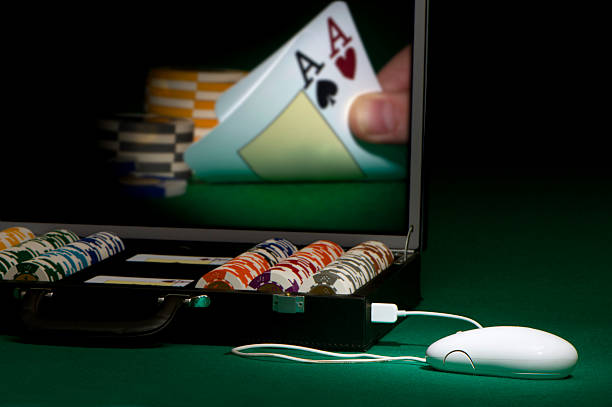
The late 20th century witnessed a revolution in gambling, largely driven by advancements in technology. The internet opened new avenues for online gaming, allowing players to gamble from the comfort of their homes. This transition drastically altered the landscape of gambling, leading to the rise of online casinos and virtual gaming platforms.
Mobile technology further transformed the industry, providing instant access to gambling opportunities. Players can now engage in a wide variety of games, from poker to slots, at their fingertips. This accessibility has made gambling more popular than ever, attracting diverse audiences and facilitating growth in the global gaming market.

Exploring Modern Gambling Platforms
Today, the gambling industry thrives on innovations that enhance user experience. Various platforms have emerged, offering a seamless integration of secure payment methods, diverse gaming options, and engaging user interfaces. These modern casinos prioritize not only entertainment but also player safety and convenience.
As online gambling continues to expand, players can access curated selections of games and enjoy benefits such as bonuses and instant transactions. This evolution reflects the ongoing journey of gambling, from ancient rituals to a sophisticated global industry, highlighting its enduring appeal and adaptability to modern societal changes.